
Director
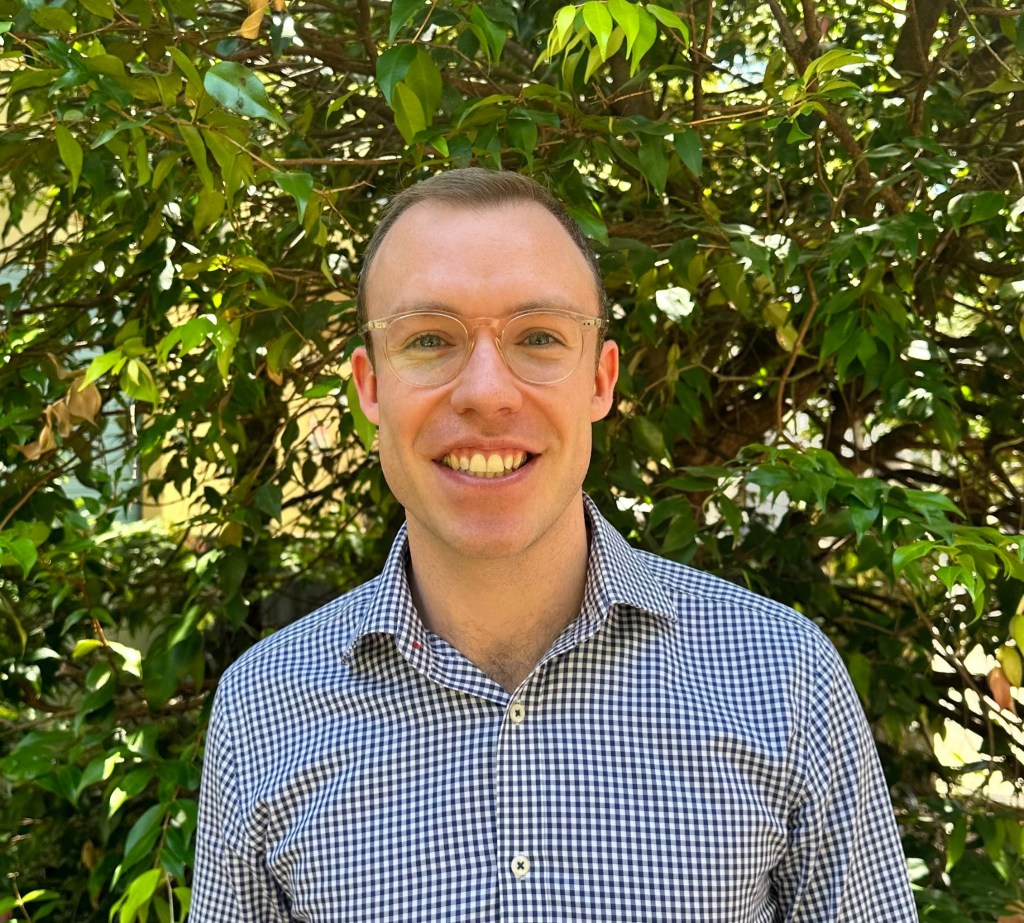
Dr Jacob Keech
Dr Jacob Keech is a Senior Lecturer in Psychology in the School of Applied Psychology at Griffith University. Dr Keech has over 10 years of experience in conducting applied psychological research. His expertise is in the development and evaluation of intervention programs for reducing the effect of stress on physical and psychological health, and performance. Dr Keech has expertise and experience in conducting stress and wellbeing research in a range of contexts including with police officers, lifeguards, school teachers, flood rescue operators, and students. Dr Keech’s research also applies psychological theory to understanding and changing health behaviours and risky behaviours to improve health and safety. (more)
Lab Manager

Tenelle Maroney
Tenelle Maroney has a Bachelor of Social Science (Psychology)(Honours) and is a current PhD Candidate within the School of Applied Psychology at Griffith University. Read more about Tenelle’s research below. Contact
Collaborating Faculty

Associate Professor Jacqueline Drew
Dr Jacqueline Drew is a police psychologist, holding a PhD in organisational psychology. She is a police scholar with the School of Criminology and Criminal Justice & Griffith Criminology Institute, Griffith University, Australia. Dr Drew is the Director of the Psychology in Policing and Public Safety (PIPPS) Lab. Dr Drew has over 25 years of experience in law enforcement, as a practitioner and researcher beginning her career as a psychologist with the Queensland Police Service.

Professor Kyra Hamilton
Dr Kyra Hamilton is a Professor of health psychology and behavioural medicine, School of Applied Psychology, Griffith University, Australia, and the Director of the Health and Psychology Innovations (HaPI) Research Lab. Dr Hamilton is also a Professor, in the Health Sciences Research Institute (HSRI), University of California, Merced, USA and a Docent, Behaviour Change, University of Jyvaskyla, Finland. She has both psychology and nursing qualifications and over 30 years’ experience in health. She has particular research interests in health behaviour motivation, self-regulation, and change.
PhD Candidates

Jack Biggs
Thesis title: Understanding determinants and consequences of burnout for Australian Pastors
Jack Biggs holds a Bachelor of Psychology (Honours). He is currently a PhD in Clinical Psychology candidate in the School of Applied Psychology at Griffith University. His research aims to develop a detailed understanding of burnout and how it can be prevented in Australian pastors.

Tenelle Maroney
Thesis title: Understanding the psychological mechanisms underpinning coping strategy switching
Tenelle has a Bachelor of Social Science (Psychology)(Honours) and is currently a PhD Candidate in the School of Applied Psychology at Griffith University. Tenelle has research interests in stress and coping, health psychology, and behaviour change theories. Her research aims to explore the psychological mechanisms underpinning coping strategy switching in response to stress, guided by integrated behaviour change theories.

Krittika Vongkiatkajorn
Thesis title: Singlehood flourishing: Development and validation of a new scale
Krittika Vongkiatkajorn holds a Master of Social Work and a Bachelor of Psychological Science (Honours). She is currently a PhD candidate in the School of Applied Psychology at Griffith University. Her research interests span across relationship science, positive psychology, and mental health. Her doctoral work focuses on understanding the concept of flourishing among single individuals, including the development of a “Singles Flourishing Scale” and identifying key predictors of well-being in singlehood.
Honours Researchers
Jacqueline Gomez
Thesis title: TBC
Jacqueline is a current Bachelor of Psychology (Honours) student.
Drew Bliss
Thesis title: TBC
Drew is a current Bachelor of Psychology (Honours) student.

Jacob Hodges
Thesis title: TBC
Jacob Hodges is a Bachelor of Psychology (Honours) student studying and researching under the supervision and guidance of Dr Jacob Keech. He has a strong interest in human behaviour, stress and wellbeing, and outdoor experiential learning. He aims to explore these areas in his Honours Thesis in 2026.
Elise O’Callaghan
Thesis title: TBC
Elise is a current Bachelor of Psychology (Honours) student.
 Stress, Health, & Behaviour Lab